
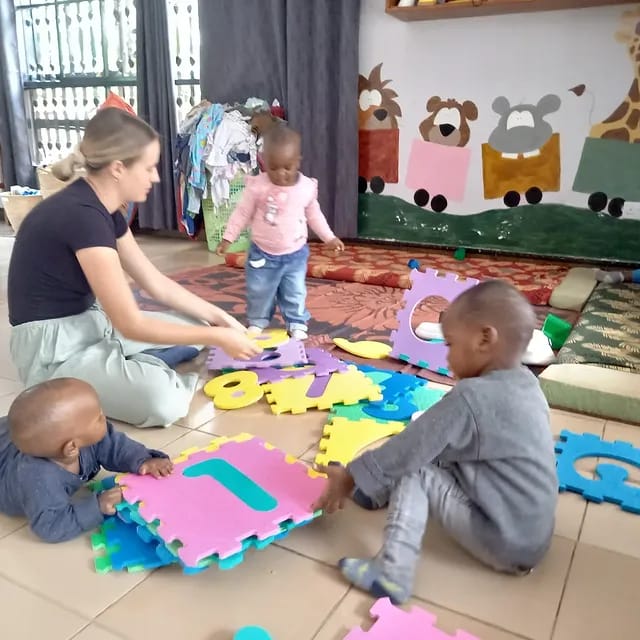
Ngabobo Ward, Arumeru District – Arusha In Ngabobo Ward, many children grow up without ever stepping into a classroom. Illiteracy is widespread in the community. Many parents and caregivers never had the opportunity to learn how to read or write, and as a result, education is often not viewed as a priority. Children are instead expected to contribute to household survival through livestock herding and other responsibilities. By the time families recognize the importance of schooling, many children have already passed the official age for enrolling in formal primary education. The Reality of Being Left Behind A growing number of children in Ngabobo Ward have either never been enrolled in school or dropped out at an early stage due to poverty and socio-economic hardship. Without intervention, these children face a lifetime of illiteracy, limited opportunities, and vulnerability to exploitation. A Second Chance to Learn The Literacy and Numeracy Program was established to offer these children a second chance. The program equips out-of-school children with basic reading, writing, and numeracy skills, laying the foundation for lifelong learning and personal development. Currently, the program serves over 30 children, facilitated by one dedicated teacher. Due to financial limitations, learning takes place in a temporary wooden structure, previously used as a church. Although modest, this space provides a safe and accessible learning environment for children who would otherwise be excluded from education. Learning Amid Daily Struggles Most children enrolled in the program are responsible for herding livestock for their families or employers. As a result, they can only attend classes for approximately two hours per day before returning to grazing areas. Recognizing the severe poverty and food insecurity faced by these children, the program provides meals at the learning center to improve attendance, concentration, and overall well-being. To sustain daily operations, the program is fully supported through: • Payment of the teacher’s salary • Payment of cooks’ salaries to ensure daily meals are prepared • Provision of teaching and learning materials • Supply of food items for the school feeding program • Restoring Hope and Confidence The primary objective of the program is to ensure that out-of-school children acquire basic literacy and numeracy skills as a foundation for further development. In the long term, the program aims to transition beneficiaries into life skills training and vocational skills development, helping them rebuild self-confidence, restore hope, and pursue meaningful livelihoods. Impact Beyond the Classroom Through participation in the program, children gain: • Basic reading, writing, and numeracy skills • Improved self-esteem and motivation to learn • Increased readiness for life skills and vocational training • Reduced vulnerability to lifelong illiteracy and exploitation The program also contributes to community awareness on the importance of education, demonstrating that learning remains valuable even for children who have missed formal schooling opportunities. Building a Sustainable Future Sustainability of the Literacy and Numeracy Program is pursued through continuous resource mobilization and partnership development. Partnerships with donors, development organizations, community stakeholders, and well-wishers are key to: • Improving learning infrastructure • Recruiting additional teachers • Strengthening feeding programs • Expanding access to more out-of-school children By strengthening these partnerships, the program aims to create a clear and sustainable pathway from basic literacy and numeracy to life skills and vocational training, ensuring long-term positive outcomes for children in Ngabobo Ward.